

Whether you have fair or dark skin, you are at risk for skin cancer. One in five Americans will develop skin cancer during his or her lifetime.
There are three main types of skin cancer: basal cell carcinoma, squamous cell carcinoma and melanoma. Together, these skin cancers represent the most common form of cancer in the United States.
A skin lesion doesn’t have to hurt to be skin cancer. Most of the time, melanoma — the deadliest form of skin cancer — shows no symptoms.
Know how to recognize the warning signs of skin cancer — and what you can do to minimize your risk.
■ Spot the signs
Perform a monthly self-check to identify moles and other growths on your skin. Look for any changes that might indicate skin cancer. Use a hand mirror or ask someone else to examine your back or other areas that you can’t see. Watch for the following: a red or white bump that bleeds; a rough, red scaly area; a sore that heals and returns; a new, rapidly growing mole; or a mole that itches, bleeds or changes color.
Visit SpotSkinCancer.org to download a free “mole map” to record your moles. You may also take pictures each month to make it easier to spot changes.
If you notice anything changing, itching or bleeding on your skin, make an appointment with your primary care doctor or a dermatologist. Skin cancer is easiest to treat when it’s diagnosed early.
■ Reduce sun damage
The most important thing you can do to reduce skin cancer risk is to limit your exposure to harmful ultraviolet rays from the sun. Even on cloudy days and in the winter, the sun emits UV rays.
When you are outdoors, protect your skin. Seek shade between 10 a.m. and 2 p.m., when the sun’s rays are strongest. Wear protective clothing, such as a wide-brimmed hat, long-sleeved shirt and sunglasses.
Be cautious near water, snow and sand, all of which can reflect the sun’s rays toward you.
You should always apply a broad-spectrum — both UVA and UVB protection — water-resistant sunscreen with an SPF of at least 30 to all exposed skin.
Apply sunscreen liberally to dry skin 15 minutes before going outdoors, using one ounce or more per application, depending on your body size. Reapply every two hours or after swimming or sweating, even if your sunscreen is labeled “waterproof” or has a high SPF. Also, apply a lip balm or lipstick that has an SPF of 30 or higher. Throw away sunscreen that has passed its expiration date or that has changed in color or consistency.
Avoid tanning beds, because the ultraviolet light can cause skin cancer and premature skin aging. If you want a tanned appearance, try a self-tanning lotion or a salon spray tan. Many modern tanning products provide a natural-looking tan without the damaging effects of UV rays from tanning beds or sunshine.
■ Sign up for a free screening
Although skin cancer is a serious condition, you can take steps to reduce your risk. Protect yourself from the sun’s damaging ultraviolet rays, examine your skin each month for changes and see your doctor if you have questions about a skin lesion.
Penn State Health will offer free skin cancer screenings on Saturday, June 4, from 9 a.m. to noon at 32 Colonnade Way. Call (814) 272-4487 to schedule your free screening.
Dr. Sara Ferguson is a dermatologist with Penn State Medical Group in State College.
More Health News
View all Health News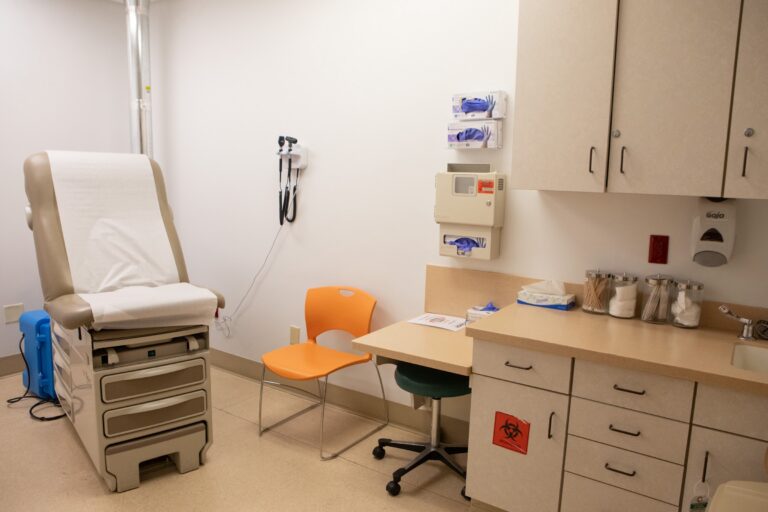
Pa. Election 2026: Where Governor Candidates Garrity and Shapiro Stand on Medicaid, Fraud and More
Key federal Medicaid changes will roll out next year, meaning Pennsylvania’s governor will play a crucial role in how they’re implemented or challenged.

Penn State Urges Prevention as Measles Cases Rise in Pa.
Penn State officials on Thursday urged community members to ensure they are protected against the measles as cases of the virus continue to rise across Pennsylvania and nationally.Stories You MissedStill […]

Grange Fair, Mount Nittany Health Offer Healthcare Resources for Rural Residents
dozens of residents from across the state who filtered through the Mount Nittany Health Fair tent at the Grange Fair, where attendees traded stories about their own experiences with their local healthcare systems while interacting with professionals from Mount Nittany…


