

SPRING MILLS — The Penns Valley Historical Museum held a history dinner meeting on Oct. 13 at the New Hope Lutheran Church on Route 45, west of Spring Mills. The guest speaker for the evening was LeDon Young, a Centre Hall attorney and historian, who gave a presentation on the history and legend of Penns Cave.
During her presentation, Young’s portrayed a reporter from the Centre Reporter newspaper, which existed in Penns Valley from 1827 to 1940. She interviewed key figures in the cave’s history, who were portrayed by dinner attendees. They were fitted with period-correct hats, beards or wigs and spouted dialogue supplied by Young.
According to Young, Penns Cave was formed by acidic rainwater slowly dissolving large amounts of underground limestone over eons of time. The dissolving continues to this day, presenting as stalagmites and stalactites on the cave floor and roof. The cave was known by Native Americans long before any European settlers discovered it.
Young recounted the legend of Penns Cave, which involved a young Frenchman named Malachi Boyer in the early 1700s.
Boyer had made friends with a Seneca chief named Okocho, who had seven sons and one beautiful daughter named Nita-Nee. Boyer and Nita-Nee fell in love, but the chief would not permit them to marry. They attempted to elope to eastern Pennsylvania settlements, but were caught by Okocho’s sons and were returned to the chief. Okocho ordered his sons to cast Boyer into the water-filled cave and not to let him escape.
For a week, Boyer searched unsuccessfully for another exit, and finally died in the cave. Okocho’s sons weighted his body with stones and cast it into the deepest water in the cave. Legend has it that on quiet summer nights, Boyer’s voice can still be heard in the cave, calling “Nita-Nee, Nita-Nee.”
Nita-Nee has been honored, with her name altered to Nittany, giving names to Nittany Mountain, Nittany Valley and the Nittany Lions of Penn State University.
Young told of how the cave and surrounding property has gone through several owners and many changes over the years. In 1884, tracks of the Lewisburg & Tyrone branch of the Pennsylvania Railroad were laid, reaching Centre Hall. This opened the door for tourists to ride trains to the town, then to be transported to the cave by buggy or stagecoach, greatly increasing the popularity of Penns Cave.
In 1908, brothers Henry and Robert Campbell purchased the cave property. Robert, an engineer, blasted out the rear of the cave, leading into a pond, which allowed boats to navigate through the cave, then turn around on the pond and travel back through the cave to the front entrance. He also installed a hydroelectric generator, powered by water running out of the pond, which powered electric lights in the cave and supplied power to the farm on the property. With the advent of the automobile, Campbell also installed billboards along many roads in the state to advertise the cave.
In 1994, a wildlife park was added to the cave property, which featured native North American animals such as white-tailed deer, elk, bison, mountain lions, bears, wolves and bobcats, as well as Texas longhorn cattle. Bus tours of this area have become a popular attraction to tourists.
In 2013, a 2,800-foot-long labyrinth called the Miner’s Maze was added to the cave complex, as well as a gemstone panning operation, which allows visitors to buy a bag of dirt and rocks and try their luck at panning for gems.
“We are most fortunate to have such a natural wonder in our community,” said Young.
More Community
View all Community
Music for a Mission: State College Food Bank Celebrates Community Support With Fight to End Hunger Concert
The State College Food Bank is hosting the second annual Great Big Fight to End Hunger Concert at the State Theatre on Sept. 14, featuring the Grammy Award-winning band A Great Big World.
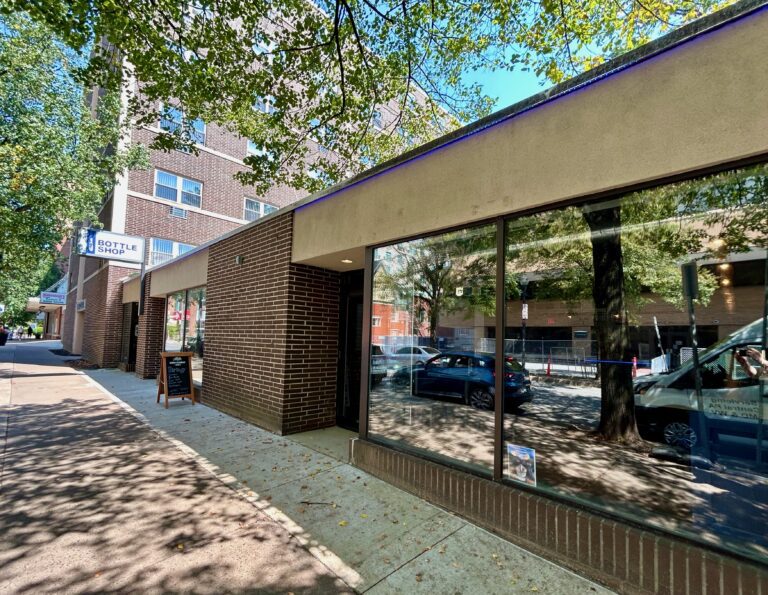
Bottle Shop Expands With New Blue & White Pub in Downtown State College
What began as a plan to purchase and renovate a longtime West Beaver Avenue bottle shop has grown into a new pub six years later.Stories You MissedNew Multi-Roaster Coffee Shop […]

E.F. ‘Pat’ Houser Golf Tournament Raises $62K for Skills of Central PA
The 21st Annual E.F. “Pat” Houser Golf Tournament, hosted by Skills of Central PA and the Skills Foundation, raised more than $62,000 on Aug. 24 at Toftrees Resort.Stories You MissedNew […]


